In a major boost to urban renewal and affordable housing, 118 acres of land in Mumbai has been officially handed over for the rehabilitation of residents under the much-discussed Dharavi Redevelopment Project (DRP). This ambitious initiative, regarded as the world’s largest slum redevelopment project, aims to transform Dharavi into a modern, well-planned urban township while ensuring dignified housing for its residents.
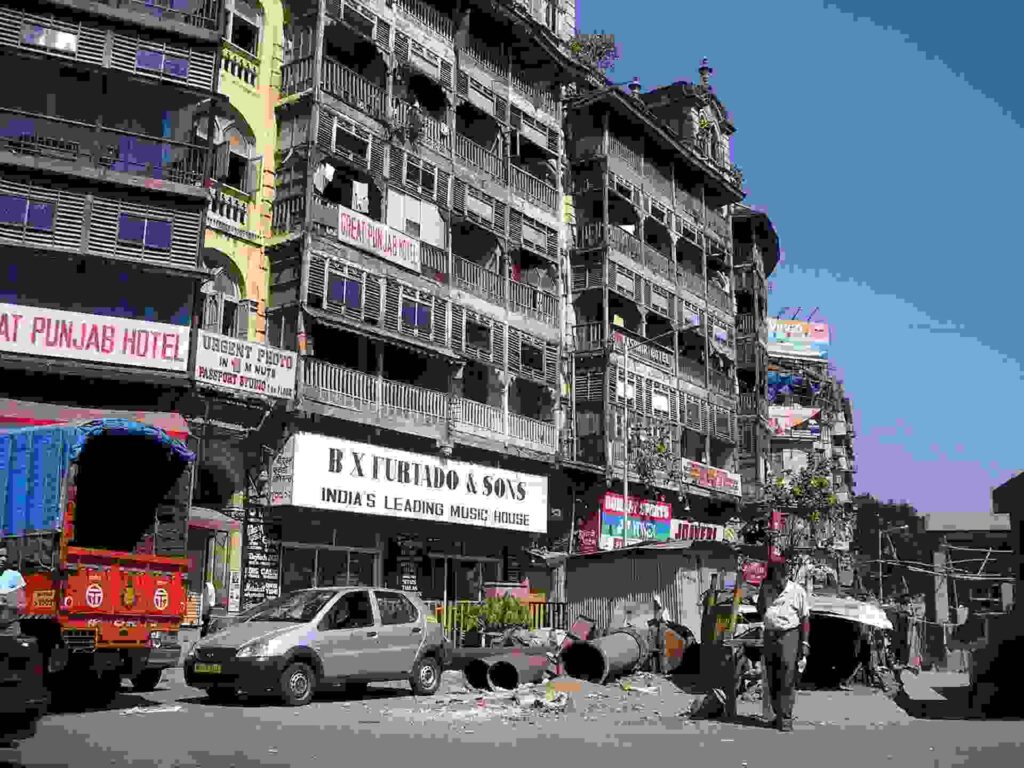
118 Acres Land in Mumbai Handed Over for Dharavi Rehabilitation
The 118-acre land in Mumbai is located at Mukteshwar Nagar in the Malvani area of Malad (West). The Maharashtra government has transferred possession of this land to the Slum Rehabilitation Authority (SRA) to facilitate the large-scale resettlement of Dharavi residents. Mumbai Suburban District Collector Saurabh Katiyar confirmed the handover, highlighting the government’s commitment to expediting the rehabilitation process.
Under the Dharavi Redevelopment Project, nearly 500 acres of land across the Mumbai Metropolitan Region (MMR) have been earmarked for affordable housing. In addition to Malad, various land in Mumbai areas such as Kanjurmarg, Bhandup, Mulund, Mithagar, Deonar, and Kurla are also being considered for the development of rehabilitation housing. This large-scale planning is expected to ensure the smooth relocation of residents while easing pressure on land availability in central Mumbai.
Nearly one million people are expected to benefit from this redevelopment and rehabilitation exercise, making it one of the most significant housing initiatives ever undertaken in India. The project aims not only to provide secure housing but also to improve overall living conditions by offering better infrastructure, sanitation, and social amenities.
The development rights of these land in Mumbai parcel have been granted to a special purpose vehicle (SPV) of the Adani Group, while ownership remains with the SRA. The Dharavi Redevelopment Project is being implemented jointly by the Government of Maharashtra and Navbharat Mega Developers Private Limited, a company backed by the Adani Group. This public-private partnership is designed to bring together government support and private sector efficiency to execute the project on a global scale.
Residents who are not eligible for in-situ rehabilitation within Dharavi will be resettled on the Malad land. Additionally, individuals who began residing in Dharavi after January 1, 2011, but before November 15, 2022, will also be considered under the rehabilitation scheme, ensuring broader inclusion.
As per the Maharashtra Slum Rehabilitation Act, every eligible Dharavi resident will receive a 350-square-foot rehabilitation apartment, regardless of the number of houses previously owned. These homes will be larger than the standard 300-square-foot units provided in most other slum redevelopment projects, offering residents improved living standards.Residents deemed ineligible for free rehabilitation will be accommodated in rental housing complexes outside Dharavi under a hire-purchase scheme, allowing them to eventually own their homes. This policy ensures that no resident is left without shelter while maintaining fairness in eligibility criteria.
The total value of the 118 acres of land in Mumbai allocated for the project is estimated at ₹540 crore. Navbharat Mega Developers has also paid a premium of ₹135 crore as compensation for the development rights. Of the total 140 acres reserved at Mukteshwar Nagar, 118 acres have been handed over, while the remaining 22 acres will be transferred in due course.A portion of this land will also be used to develop residential towers for open-market sale, enabling developers to generate revenue that can be reinvested into the rehabilitation process. This mixed-use development model ensures the financial sustainability of the project.
A Game-Changer Urban Redevelopment Project
The Dharavi Redevelopment Project is widely regarded as a game-changer for Mumbai’s urban landscape. Dharavi, often described as Asia’s largest slum, has long struggled with overcrowding, inadequate sanitation, and limited access to basic services. The redevelopment will not only provide modern homes but also significantly enhance public infrastructure, transport connectivity, and employment opportunities and real estate in Mumbai .Given that land in Mumbai is among the most expensive in India, acquiring large parcels for affordable housing is a major challenge. The strategic utilization of land across multiple locations reflects careful planning to balance development needs and social responsibility.